Retina Resolution Prototype: Butterscotch
Lead Product Design Prototyper
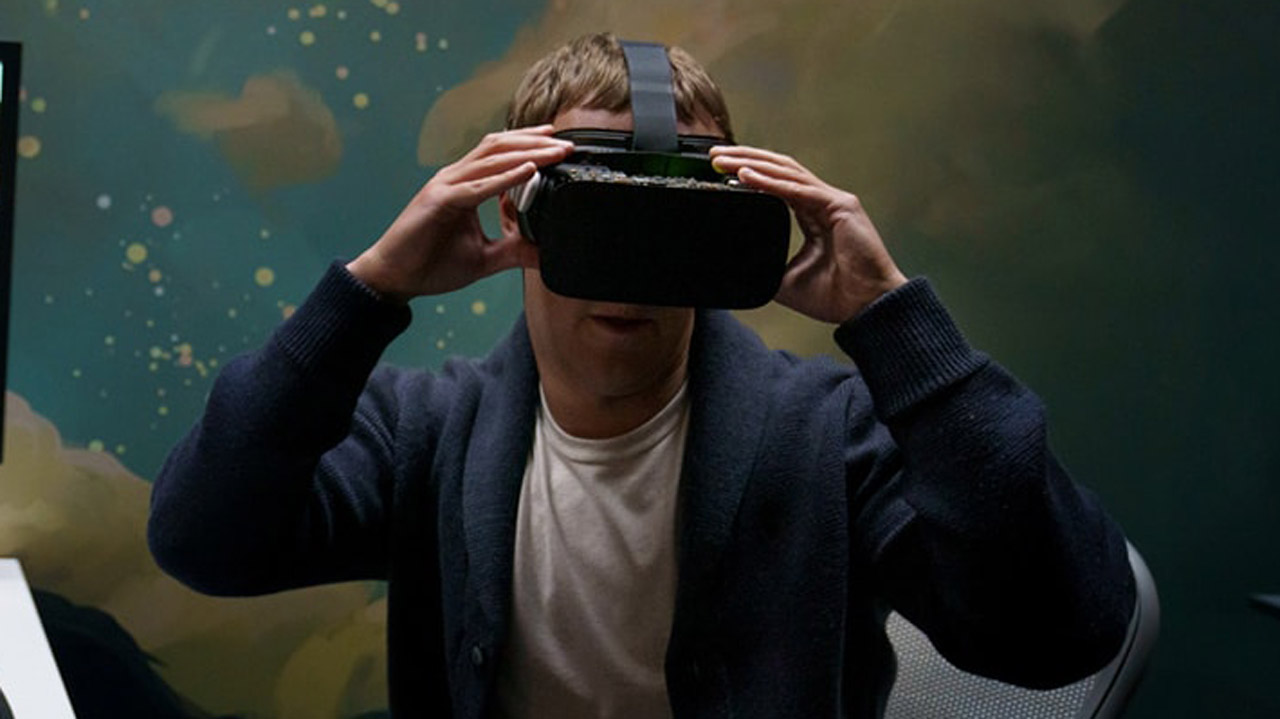
The Retina Resolution Prototype, known as Butterscotch, is a research vehicle designed to reach the point where VR pixels are indistinguishable from reality.
Butterscotch is one of Meta Reality Labs’ most iconic “Time Machine” projects. Its singular goal was to demonstrate retinal resolution—the level of pixel density required to pass the “Visual Turing Test,” where a virtual display meets or exceeds the resolving power of the human eye.
Software Stack & Experience Development
As the Lead Product Design Prototyper, I was responsible for building the software foundation that brought these high-density displays to life. My work bridged the gap between raw hardware engineering and a meaningful user experience.
Prototype Software Infrastructure
I developed the core software stack that allowed us to quickly spin up and iterate on a series of internal retinal-resolution prototypes. This involved:
- System Integration: Integrating custom display correction algorithms and high-precision tracking solutions to ensure the visual output remained stable at such high PPD.
- Engineering Tooling: Building specialized debugging tools that allowed firmware engineers to validate and adjust hardware parameters in real-time within the VR environment.
The “Visual Turing Test” Showcase
I designed and developed the interactive VR experience that served as the primary internal and public showcase for the technology.
The demo centered on a high-fidelity virtual workspace, specifically engineered to highlight the prototype’s extreme resolution. By placing users in a desktop-like environment with small, crisp text and detailed interfaces, we demonstrated the feasibility of long-term productivity in VR.
While the workspace provided the primary context for the resolution benefits, the experience also incorporated technical validation tools such as a virtual Snellen eye chart. With the display achieving over 55 Pixels Per Degree (PPD)—nearly 2.5x the density of consumer headsets at the time—users could resolve the 20/20 line in VR, providing a definitive benchmark for the technology’s performance. This experience was famously shared by Mark Zuckerberg on his public Facebook, helping to define and validate the long-term VR roadmaps for the company.
Hardware & Optical Architecture
To achieve retinal resolution with contemporary technology, the Butterscotch team prioritized pixel density over all other factors, including form factor and field of view.
Breaking the 20/20 Barrier
- 55+ PPD Density: By utilizing ultra-high-resolution LCD panels and condensing them into a focused area, the prototype eliminated the “screen door effect” entirely.
- Custom Hybrid Lenses: To fully resolve the extreme pixel density without distortion, the team developed a custom hybrid lens system.
- The FOV Trade-off: To maximize resolution, the field of view was reduced to approximately 50-60 degrees. This allowed the prototype to concentrate its pixels into a “retinal window,” proving the feasibility of the technology before it could be scaled to a full FOV.